Fashion is one of the world’s most resource-intensive industries. Clothing production uses large amounts of water, energy and chemicals, and fast-changing trends encourage people to buy more and wear items fewer times before throwing them away.
Sustainable fashion is about making smarter choices: buying less, choosing better quality, caring for clothes so they last and finding new homes for items you no longer wear. It is not about expensive eco-labels or giving up style. This guide covers practical tips for shopping, choosing materials, building a capsule wardrobe, caring for clothes, repairing and upcycling, shopping second-hand, spotting greenwashing and saving money along the way.
Table of Contents
What Is Sustainable Fashion?
Sustainable fashion means producing, buying and using clothing in ways that reduce environmental and social harm. It includes:
- Using fewer resources to make clothes
- Choosing materials with lower environmental impact
- Paying fair wages and providing safe working conditions
- Making clothes that last longer
- Reducing textile waste through reuse, repair and recycling
For individuals, the most sustainable wardrobe is often the one you already own.
The Problem With Fast Fashion
Fast fashion brands release new styles quickly and sell them at low prices. While cheap clothing seems convenient, it comes with hidden costs:
- Short lifespans: Low-quality items wear out quickly.
- High waste: Many garments end up in landfills after only a few wears.
- Resource use: Growing fibres, dyeing fabric and manufacturing clothing use significant water and energy.
- Microplastics: Synthetic fabrics shed tiny fibres when washed.
- Working conditions: Pressure for low costs can lead to poor wages and unsafe factories.
Start With What You Own
Do a Wardrobe Audit
Take everything out of your closet and sort it into groups:
- Love and wear often: Keep and care for these items.
- Needs repair: Set aside for mending or alterations.
- Rarely worn: Ask why; maybe they need styling ideas or a better fit.
- No longer fits or suits you: Sell, swap or donate.
Shop Your Closet
Try new outfit combinations with pieces you already own. Mixing items in fresh ways can make your wardrobe feel new without buying anything.
Track What You Wear
For a month, note which items you wear most. This helps you understand your real style and avoid buying things you will not use.
Buy Less, Choose Better
Ask Yourself Before Buying
- Do I really need this?
- Will I wear it at least 30 times?
- Does it go with several items I already own?
- Is it well made?
- Can it be repaired if it gets damaged?
Invest in Quality
Higher-quality clothing usually lasts longer, which can mean a lower cost per wear.
| Item | Price | Times Worn | Cost Per Wear |
|---|---|---|---|
| Cheap jacket | $40 | 10 | $4.00 |
| Quality jacket | $200 | 150 | $1.33 |
Cost per wear is a useful way to compare value, especially for coats, shoes, jeans and bags.
Signs of Good Quality
- Even, tight stitching
- Durable seams and finished edges
- Sturdy buttons and zippers
- Thick, smooth fabric that does not feel thin or see-through
- Lined jackets and well-constructed collars
Choosing More Sustainable Materials
| Material | Benefits | Things to Consider |
|---|---|---|
| Organic cotton | Grown without synthetic pesticides | Still uses water |
| Linen | Made from flax, durable and breathable | Wrinkles easily |
| Hemp | Fast-growing, durable and needs fewer inputs | Can feel stiff at first |
| Lyocell (such as Tencel) | Made from wood pulp in closed-loop processes | Check certification |
| Recycled polyester | Uses existing plastic | Still sheds microfibres |
| Wool | Long-lasting, naturally odour-resistant | Check animal welfare standards |
| Conventional polyester | Cheap and durable | Made from fossil fuels, sheds microplastics |
No material is perfect. Durability and how long you wear a garment often matter as much as the fibre itself.
Look for Certifications
Some labels can help identify better practices, such as certifications for organic fibres, safer chemicals, recycled content or fair labour. Research what each label means rather than relying on vague claims.
Build a Capsule Wardrobe
A capsule wardrobe is a small collection of versatile items that mix and match easily.
Capsule Wardrobe Basics
- Choose a simple colour palette.
- Focus on versatile staples like jeans, plain shirts, a blazer and neutral shoes.
- Add a few statement pieces for personality.
- Keep seasonal items separate and rotate them.
Sample Capsule Wardrobe
| Category | Example Items |
|---|---|
| Tops | 5 to 7 shirts and blouses |
| Bottoms | 3 to 4 pairs of trousers, jeans or skirts |
| Layers | 2 sweaters or cardigans |
| Outerwear | 1 everyday jacket, 1 winter coat |
| Dresses | 1 to 2 versatile dresses |
| Shoes | 3 to 4 pairs |
| Accessories | Scarves, belts and a reliable bag |
A smaller wardrobe can make getting dressed faster and reduce impulse shopping.
Shop Second-Hand First
Buying second-hand is one of the most sustainable and affordable ways to shop.
Where to Find Pre-Loved Clothing
- Thrift stores and charity shops
- Consignment stores for designer items
- Online resale platforms and apps
- Local buy-and-sell groups
- Clothing swaps with friends or community groups
- Vintage markets
Thrifting Tips
- Shop with a list to avoid buying things you do not need.
- Check seams, zippers and fabric condition.
- Try items on or check measurements.
- Visit regularly, as stock changes often.
- Consider tailoring to improve fit.
Care for Clothes So They Last
How you wash and store clothing can greatly extend its life.
Washing Tips
- Wash clothes only when they are actually dirty.
- Use cold water to save energy and protect fabrics.
- Turn garments inside out to reduce fading and pilling.
- Use gentle detergent and avoid overloading the machine.
- Wash synthetic items in a microfibre-catching bag.
Drying Tips
- Air-dry clothes whenever possible.
- Lay knits flat to keep their shape.
- Avoid high dryer heat, which can shrink and weaken fibres.
Storage Tips
- Fold heavy knits instead of hanging them.
- Use sturdy hangers for jackets and blazers.
- Store seasonal clothes clean and dry in breathable containers.
- Protect wool from moths with cedar blocks or lavender sachets.
Lower washing and drying frequency also reduces energy and water bills.
Repair, Alter and Upcycle
Simple Repairs
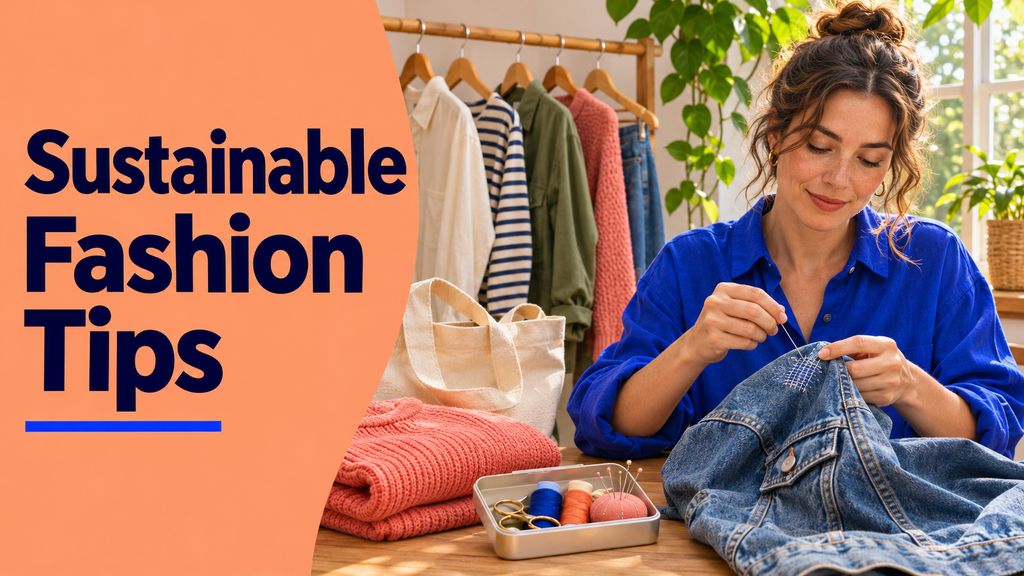
- Sew on buttons.
- Fix small holes and seam splits.
- Patch worn areas on jeans and jackets.
- Replace broken zippers.
- Remove pills from sweaters with a fabric shaver.
Professional Alterations
Tailors can adjust fit, shorten hems, take in waists and replace linings. A well-fitted garment is more likely to be worn often.
Upcycling Ideas
- Turn old jeans into shorts or bags.
- Make cleaning cloths from worn T-shirts.
- Use fabric scraps for quilts or patchwork projects.
- Dye faded clothing to refresh its look.
Community repair cafés and sewing workshops are great places to learn new skills.
Rent or Borrow for Special Occasions
Instead of buying outfits for weddings, parties or events that you might wear once:
- Rent formal wear from clothing rental services.
- Borrow from friends or family.
- Shop second-hand for special occasion items.
Renting can save money and reduce waste from rarely worn clothing.
Spotting Greenwashing
Some brands market themselves as eco-friendly without making real changes.
Warning Signs
- Vague terms like “green,” “eco” or “conscious” without details
- Small “sustainable” collections from brands that otherwise promote fast fashion
- No information about factories or supply chains
- Claims without certifications or evidence
Questions to Ask
- What materials are used and where do they come from?
- Who made the clothing, and under what conditions?
- Does the brand offer repairs or take-back programmes?
- Are claims backed by independent certifications?
Responsible Ways to Let Go of Clothing
When clothes no longer serve you, avoid throwing them in the garbage.
- Sell: Use resale apps or consignment stores.
- Swap: Trade clothes with friends or at community swaps.
- Donate: Give clean, wearable items to charities.
- Recycle: Use textile recycling programmes for worn-out items.
- Repurpose: Turn old clothes into rags or craft materials.
Saving Money With Sustainable Fashion
Sustainable fashion can be budget-friendly.
| Habit | How It Saves Money |
|---|---|
| Buying less | Lower total spending on clothing |
| Second-hand shopping | Lower prices than new |
| Caring for clothes | Fewer replacements |
| Repairing items | Avoids buying new |
| Selling unused clothes | Earns extra money |
| Renting occasion wear | Avoids one-time purchases |
Setting a clothing budget and tracking spending can help you shop intentionally. Money saved can be redirected into savings, investments or paying down credit card debt.
Sustainable Fashion for Families and Kids
- Buy second-hand children’s clothing, as kids outgrow items quickly.
- Pass down clothes between siblings and friends.
- Choose durable fabrics for active children.
- Join local kids’ clothing swaps.
- Teach children to care for and repair their clothes.
A 30-Day Sustainable Fashion Challenge
| Week | Challenge |
|---|---|
| Week 1 | Audit your wardrobe and track what you wear |
| Week 2 | Avoid buying new clothes and shop your closet |
| Week 3 | Repair or alter at least one item |
| Week 4 | Sell, swap or donate unworn clothing |
Final Thoughts
Sustainable fashion is about making thoughtful choices: wearing what you already own, buying less and choosing better quality, shopping second-hand, caring for clothes properly and repairing items before replacing them. These habits reduce environmental impact and often save money too.
You do not need a complete wardrobe overhaul to make a difference. Start with one or two changes, such as a second-hand-first rule or washing in cold water, and build from there. Over time, you will enjoy a wardrobe that reflects your style and your values.
Frequently Asked Questions
1. What is the most sustainable way to shop for clothes?
Buying fewer items and shopping second-hand are among the most sustainable options, along with choosing high-quality clothing that lasts.
2. Is sustainable fashion expensive?
It does not have to be. Second-hand shopping, repairing clothes and buying less can save money, even if some sustainable brands cost more upfront.
3. How can I make my clothes last longer?
Wash clothes less often, use cold water, air-dry when possible, store items properly and repair small damage quickly.