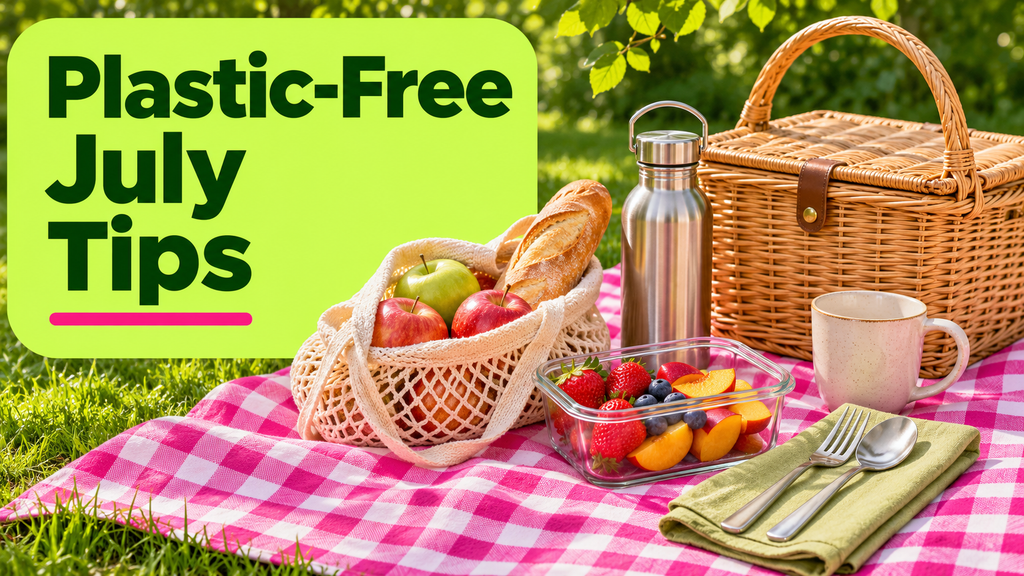
Plastic-Free July is a global challenge that encourages people to reduce single-use plastic for one month. Millions of households, schools, workplaces and communities around the world take part each year, using July as a starting point to rethink everyday habits.
You do not have to give up all plastic overnight to join. The challenge is about choosing to refuse, reduce and replace single-use plastics where you can. This guide explains what Plastic-Free July is, how to get started, a week-by-week plan, practical swaps for every part of daily life, tips for families, workplaces and eating out, ways to save money and how to turn a one-month challenge into lasting habits.
Table of Contents
What Is Plastic-Free July?
Plastic-Free July began in Western Australia in 2011 as a small community initiative and has grown into a worldwide movement run by the Plastic Free Foundation. Participants pledge to reduce single-use plastic during July, whether that means avoiding plastic bags, takeaway packaging, bottled water or all disposable plastics.
Ways to Take Part
- Refuse one item: Choose one single-use item, such as plastic straws or coffee cups, and avoid it all month.
- Focus on takeaway: Avoid disposable takeaway packaging.
- Go fully plastic-free: Try to avoid all single-use plastic for the month.
- Join as a group: Take the challenge with your family, school, office or community.
The best approach is the one you can stick with. Small changes made consistently often have the biggest long-term impact.
Why Single-Use Plastic Is a Problem
- Many plastics are used for minutes but last for hundreds of years.
- Only a portion of plastic packaging is recycled; much ends up in landfill or the environment.
- Plastic litter harms wildlife on land and in waterways.
- Plastic breaks down into microplastics that spread through soil, water and food chains.
- Producing plastic uses fossil fuels and energy.
Reducing single-use plastic helps cut waste at its source, which is more effective than relying on recycling alone.
Before July Starts: Prepare for Success
Do a Plastic Audit
Spend a week noticing the plastic you throw away. Keep a list or collect it in a separate bag. Common items include:
- Food packaging and wrappers
- Plastic bags and produce bags
- Bottles and takeaway cups
- Cling wrap and zip bags
- Bathroom product containers
- Online shopping packaging
Your audit shows where to focus your efforts.
Gather Reusables You Already Own
Look around your home before buying anything new. You may already have:
- Tote bags and backpacks
- Glass jars and containers
- Water bottles and travel mugs
- Cloth napkins and tea towels
- Metal cutlery
Set Clear Goals
Pick two or three specific goals, such as:
- “I will bring my own coffee cup every day.”
- “We will stop buying bottled water.”
- “I will use produce bags instead of plastic ones.”
Week-by-Week Plastic-Free July Plan
| Week | Focus | Actions |
|---|---|---|
| Week 1 | Shopping | Use reusable bags, buy loose produce, avoid plastic-wrapped items |
| Week 2 | Food and drink on the go | Carry a water bottle, coffee cup, cutlery and snack containers |
| Week 3 | Kitchen and bathroom | Switch to bars, refills, beeswax wraps and reusable storage |
| Week 4 | Community and lasting change | Share tips, join clean-ups, plan habits for the rest of the year |
Plastic-Free Shopping Tips
At the Grocery Store
- Bring reusable shopping bags and produce bags.
- Choose loose fruit and vegetables instead of pre-packed.
- Buy bread from bakeries using a cloth bag.
- Shop at bulk stores with your own containers.
- Choose products in glass, metal or paper packaging.
- Visit farmers markets for low-packaging produce.
At the Deli and Butcher
Ask staff to place meat, cheese and deli items directly into your own container. Many stores accept this practice, though policies vary for food safety reasons.
Online Shopping
- Combine orders to reduce packaging.
- Choose retailers that use paper or plastic-free packaging.
- Select slower shipping options that bundle items.
- Reuse boxes and padding for your own shipments.
Plastic-Free Food and Drink on the Go
Build an On-the-Go Kit
| Item | Replaces |
|---|---|
| Reusable water bottle | Bottled water |
| Travel mug | Disposable coffee cups and lids |
| Metal or bamboo cutlery | Plastic forks and spoons |
| Reusable straw (if needed) | Plastic straws |
| Cloth napkin | Paper napkins |
| Small container | Takeaway containers and leftovers boxes |
| Tote bag | Plastic shopping bags |
Keep the kit in your bag, backpack or car so it is always ready.
Eating Out
- Choose dine-in instead of takeaway when possible.
- Bring a container for leftovers.
- Say “no straw, please” when ordering drinks.
- Skip single-serve condiment packets.
- Support cafés and restaurants that offer reusable options.
Coffee Lovers
Many cafés offer discounts for customers who bring their own cups. Over a month of daily coffees, those savings can add up while avoiding dozens of disposable cups and lids.
Plastic-Free Kitchen Swaps
- Replace cling wrap with beeswax wraps, lidded containers or a plate over a bowl.
- Use glass or stainless steel containers for leftovers.
- Swap zip bags for silicone bags.
- Use wooden or natural fibre dish brushes instead of plastic sponges.
- Buy dish soap and cleaners from refill stations.
- Store pantry staples in glass jars.
- Make your own snacks, sauces and dressings to avoid packaged versions.
Plastic-Free Bathroom Swaps
- Shampoo and conditioner bars
- Bar soap instead of liquid body wash
- Bamboo or replaceable-head toothbrushes
- Toothpaste tablets or jars
- Safety razors with recyclable blades
- Reusable cotton pads and washcloths
- Refillable deodorant
- Reusable menstrual products
Swap items as your current products run out to avoid unnecessary waste.
Plastic-Free July for Families
Involve Kids
- Let children decorate reusable bags or bottles.
- Turn grocery shopping into a plastic-spotting game.
- Pack plastic-free lunches together.
- Read books or watch documentaries about ocean life and plastic pollution.
- Celebrate small wins, like a week without buying bottled drinks.
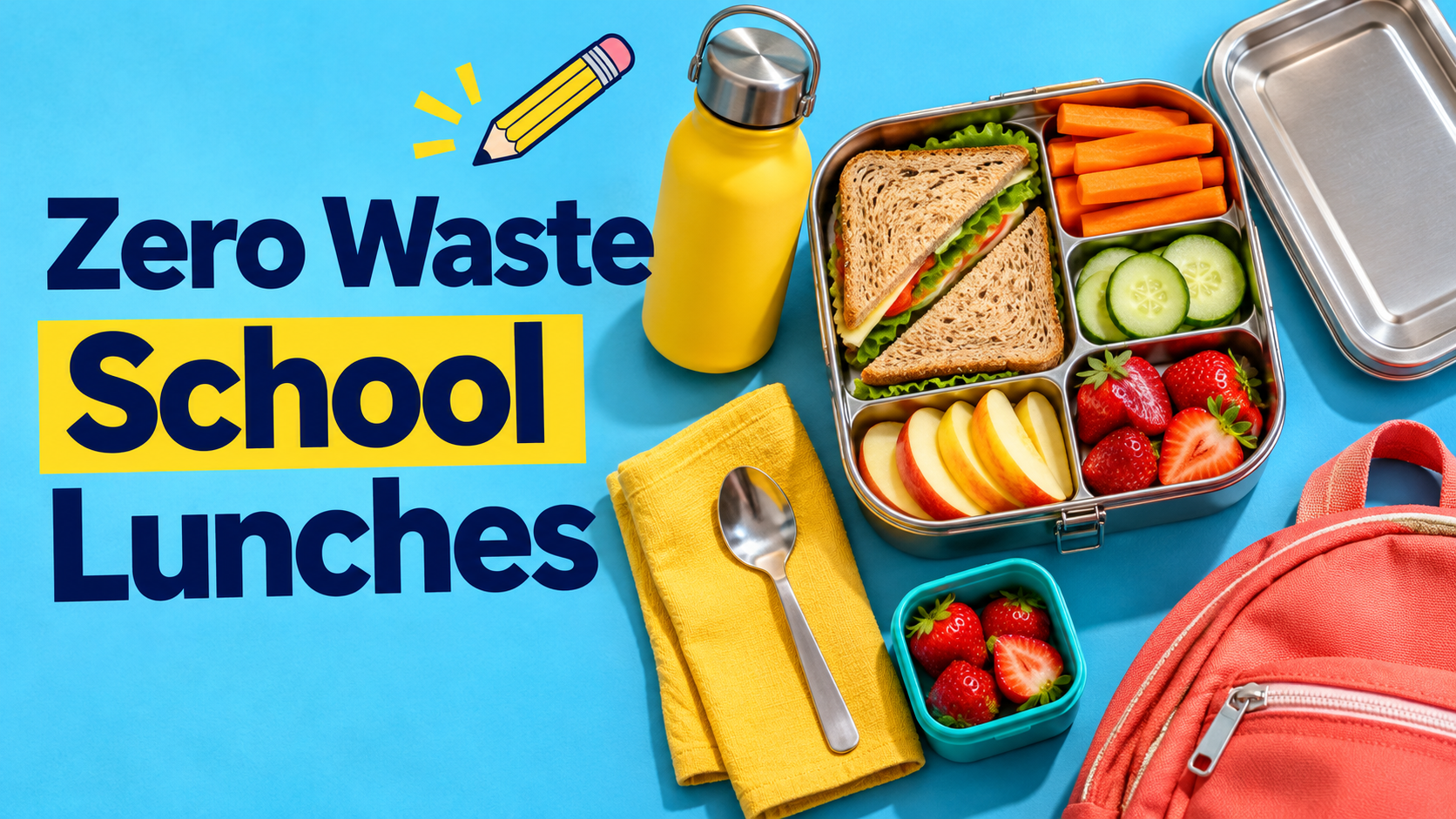
Plastic-Free Lunches
- Use bento boxes and reusable containers.
- Pack water in reusable bottles instead of juice boxes.
- Buy snacks in larger packages and portion them at home.
- Bake simple treats like muffins or granola bars.
Birthday Parties and Events
- Use real plates, cups and cutlery or compostable alternatives.
- Choose paper decorations or reusable bunting.
- Give experience gifts or wrap presents in fabric.
- Skip plastic party favours.
Plastic-Free July at Work
- Encourage colleagues to join the challenge as a team.
- Provide reusable mugs, glasses and cutlery in staff kitchens.
- Replace bottled water with filtered water stations.
- Order catering with minimal packaging.
- Set up clear recycling and compost bins.
- Share tips and progress in team meetings or newsletters.
Workplace challenges can boost morale, reduce waste costs and support corporate sustainability goals.
Plastic-Free July at School
- Organise waste-free lunch days.
- Run classroom audits of plastic waste.
- Hold poster or art competitions on plastic pollution.
- Plan litter clean-ups in school grounds or local parks.
- Encourage reusable water bottles with refill stations.
How Much Can You Save?
Many plastic-free habits save money over time.
| Habit | Savings Potential |
|---|---|
| Carrying a water bottle | Avoids buying bottled water |
| Bringing a coffee cup | Café discounts at some locations |
| Packing lunches | Less spending on takeaway meals |
| Buying in bulk | Lower cost per unit on many staples |
| Reusable bags and wraps | Fewer disposable purchases |
| Cooking at home | Fewer packaged convenience foods |
Track your savings during July and consider putting the money into a savings account. Seeing the numbers grow can be a strong motivator to keep going.
Common Challenges and Solutions
| Challenge | Solution |
|---|---|
| Forgetting reusable bags | Keep spares in your car, bag and by the door |
| Products only sold in plastic | Choose larger sizes or alternatives when possible |
| Busy schedules | Prep snacks and meals in advance |
| Higher upfront costs | Start with free swaps using items you already own |
| Family resistance | Focus on one change at a time and explain the benefits |
Avoid Common Mistakes
- Buying lots of new “eco” products you do not need
- Throwing away usable plastic containers to replace them
- Expecting perfection and giving up after a slip
- Ignoring easy wins like water bottles and shopping bags
- Forgetting to celebrate progress
Make It Last Beyond July
Plastic-Free July is a great starting point, but the real impact comes from continuing your new habits.
- Review which changes felt easiest and keep them.
- Choose one new habit to add each month.
- Share your experience with friends and family.
- Support businesses with plastic-free options.
- Join local clean-ups and waste reduction groups.
- Advocate for better recycling and refill options in your community.
Final Thoughts
Plastic-Free July is a simple, flexible challenge that helps people reduce single-use plastic and build better habits. Start with a plastic audit, set clear goals and focus on one area at a time, from shopping and food on the go to the kitchen and bathroom.
You do not need to be perfect to make a difference. Every reusable bag, bottle and container you choose helps cut waste, and many of these habits save money. Use July as your launchpad and carry your plastic-free habits through the rest of the year.
Frequently Asked Questions
1. What is Plastic-Free July?
Plastic-Free July is a global challenge that encourages people to reduce single-use plastic during the month of July, whether by avoiding one item or going fully plastic-free.
2. How do I start Plastic-Free July?
Begin with a plastic audit, set two or three specific goals, gather reusables you already own and focus on easy swaps like water bottles and shopping bags.
3. Do I have to avoid all plastic during the challenge?
No. You can choose your level of participation, from refusing one item, such as plastic straws, to avoiding all single-use plastic.