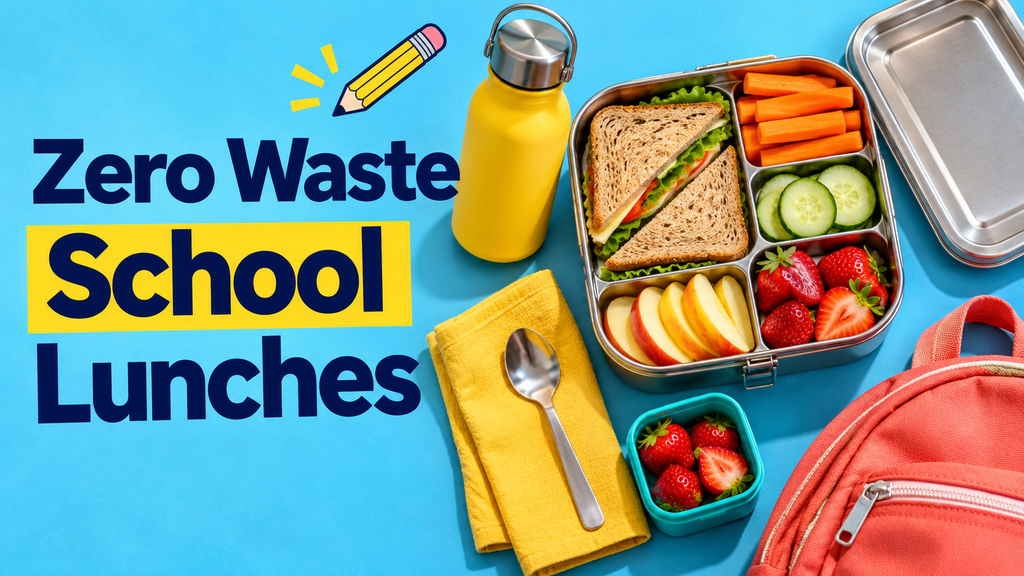
School lunches create a surprising amount of waste. Juice boxes, snack wrappers, plastic bags, single-serve yogurt tubes, paper napkins and uneaten food all end up in classroom bins every day.
Packing a zero waste lunch helps children eat well while cutting packaging and food waste. It can also save families money compared with pre-packaged snacks and cafeteria meals. This guide covers the essential reusable gear, how to plan and pack waste-free lunches, kid-friendly menu ideas, food safety tips, ways to reduce uneaten food, getting kids involved, supporting zero waste at school and a breakdown of potential savings.
Table of Contents
Why Pack a Zero Waste Lunch?
Less Waste
A child who brings a lunch with disposable packaging every school day can generate a large bag of trash over a school year. Reusable containers can eliminate most of it.
Healthier Food
Packing your own lunch gives you control over ingredients, portion sizes and nutrition, with fewer processed snacks.
Lower Costs
Buying larger packs and portioning food at home is usually cheaper than buying single-serve items.
Teaching Good Habits
Children learn about caring for the environment, reducing waste and making healthy choices.
Essential Zero Waste Lunch Gear
| Item | Purpose | Tips |
|---|---|---|
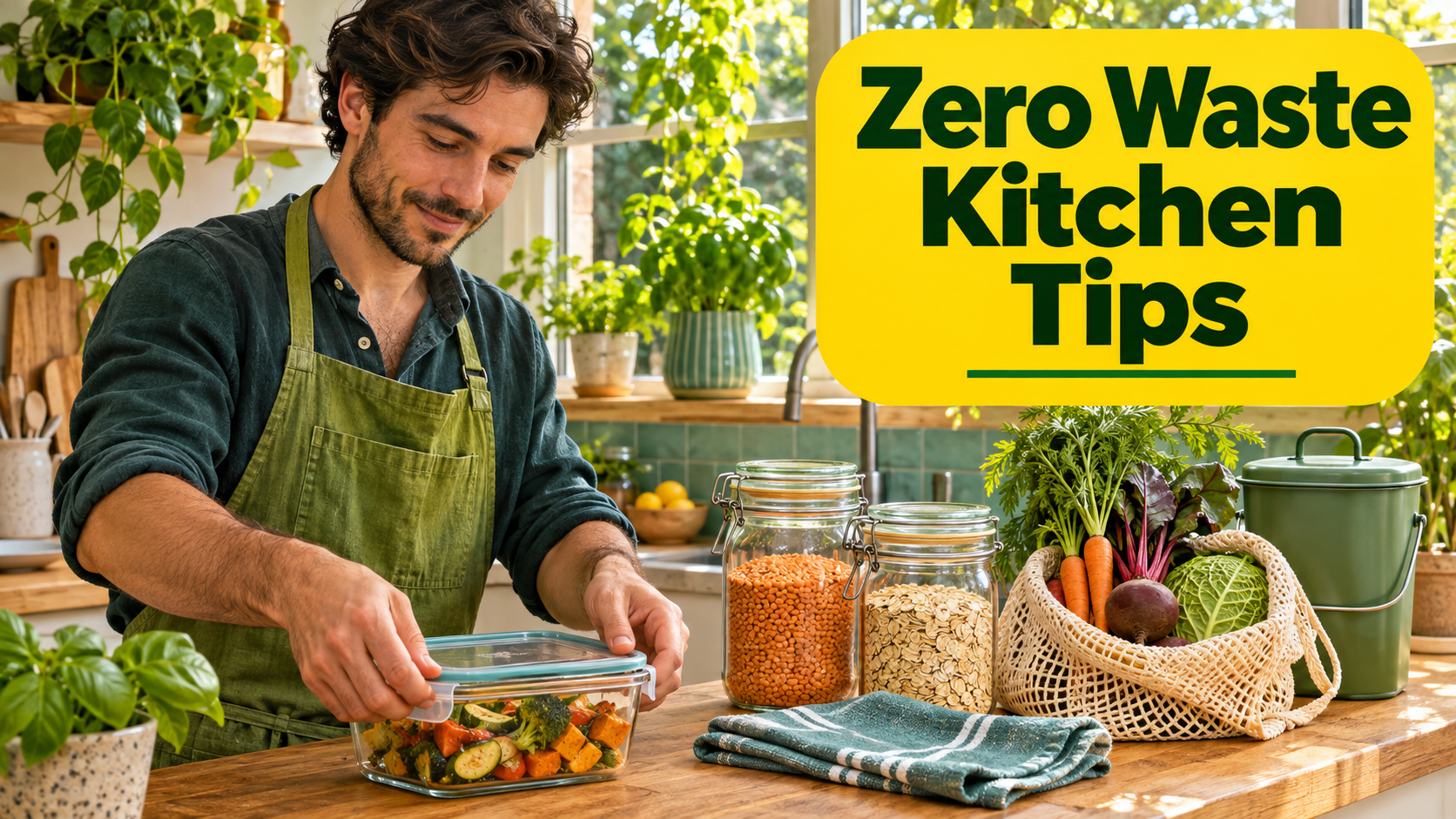
| Lunch box or bento box | Holds the main meal and sides | Choose leak-resistant compartments |
| Insulated food jar | Keeps soups, pasta and leftovers warm | Preheat with hot water before filling |
| Reusable water bottle | Replaces juice boxes and bottled drinks | Pick one that fits backpack pockets |
| Small containers | Dips, sauces, fruit and snacks | Use leak-proof lids |
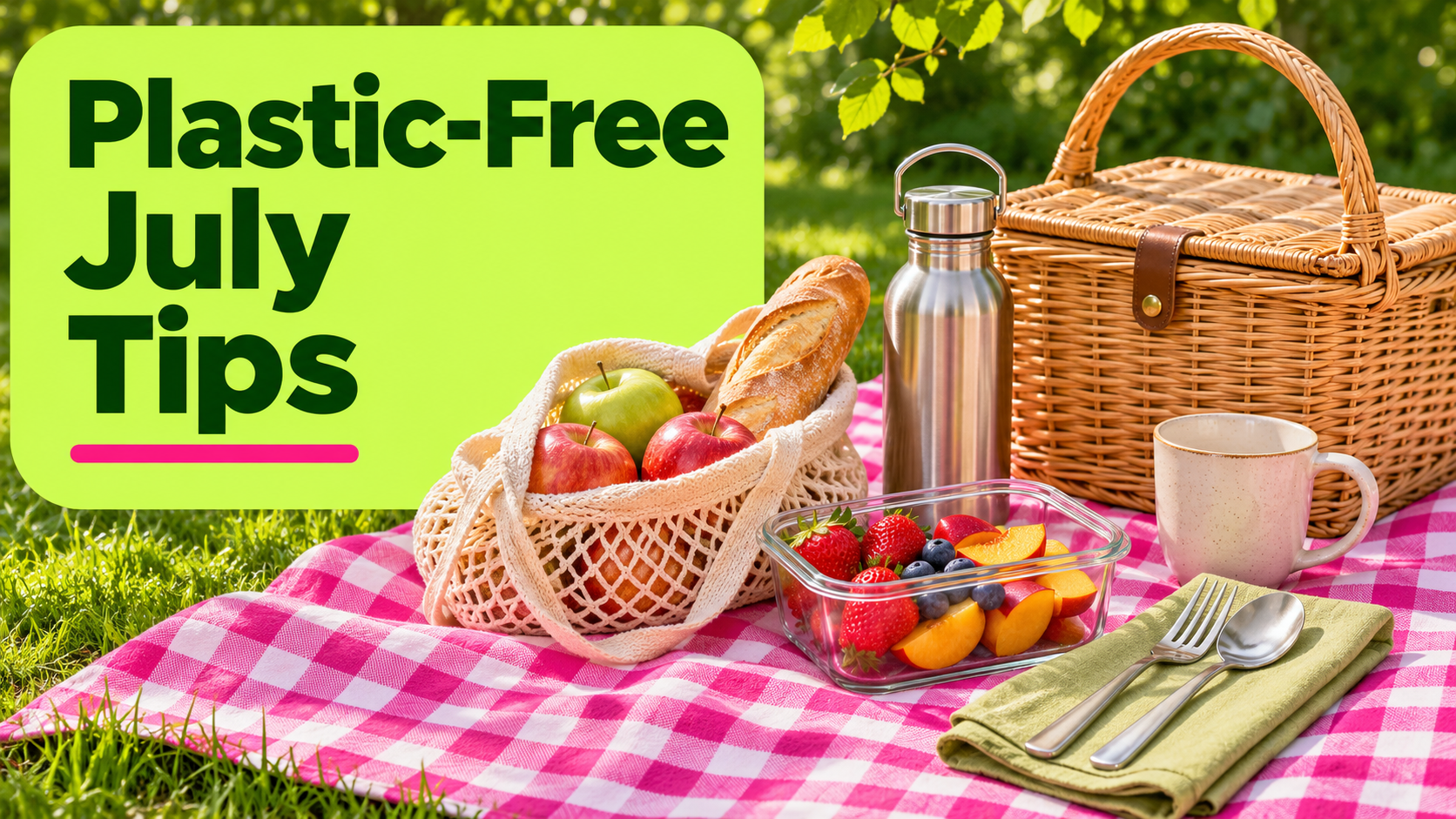
| Reusable snack bags | Crackers, sandwiches and dry snacks | Silicone or fabric options |
| Cloth napkin | Replaces paper napkins | Pack a fresh one daily |
| Reusable cutlery | Forks and spoons for lunch | Use a small pouch to keep them clean |
| Insulated lunch bag | Keeps food cool | Add a reusable ice pack |
Choosing a Lunch Box
- Bento boxes: Divided compartments let you pack a variety of foods without extra containers.
- Stainless steel boxes: Durable, lightweight and long-lasting.
- Plastic boxes: Affordable and light, but choose food-safe, BPA-free options.
- Insulated bags: Help keep perishable foods safe until lunchtime.
Labelling Gear
Label everything with your child’s name using durable labels or permanent markers. This helps lost items find their way home and reduces the cost of replacements.
How to Pack a Zero Waste Lunch
Step 1: Plan Ahead
Plan lunches for the week alongside family meals. Leftovers from dinner often make great school lunches.
Step 2: Buy in Bulk
Purchase larger containers of yogurt, crackers, cheese, nuts (if allowed) and dried fruit, then portion them into reusable containers.
Step 3: Prep in Advance
Wash and chop fruits and vegetables on the weekend. Portion snacks into small containers so mornings are quicker.
Step 4: Pack the Night Before
Assemble lunches in the evening and store them in the fridge. Add ice packs or hot foods in the morning.
Step 5: Use a Simple Formula
A balanced lunch can follow this easy pattern:
- Main: Sandwich, wrap, pasta, rice dish or leftovers
- Fruit: Fresh, whole or sliced
- Vegetable: Raw sticks, salad or roasted veggies
- Protein snack: Cheese, hummus, boiled egg or beans
- Treat or extra: Homemade muffin, crackers or popcorn
- Drink: Water in a reusable bottle
Zero Waste Lunch Menu Ideas
Sandwiches and Wraps
- Whole wheat wrap with hummus, cucumber and grated carrot
- Cheese and tomato sandwich on homemade or bakery bread
- Turkey or chicken wrap with lettuce
- Egg salad sandwich
- Peanut-free sunflower butter and banana sandwich
Hot Lunches in a Food Jar
- Pasta with tomato sauce
- Vegetable soup
- Chilli or bean stew
- Fried rice with vegetables
- Macaroni and cheese
Bento-Style Lunches
- Crackers, cheese cubes, apple slices and cucumber sticks
- Pita triangles, hummus, cherry tomatoes and grapes
- Mini meatballs, rice, steamed broccoli and orange segments
- Boiled egg, mini muffins, carrot sticks and berries
Snack Ideas Without Wrappers
- Homemade granola bars or energy bites
- Popcorn in a reusable bag
- Yogurt portioned from a large tub
- Fresh or dried fruit
- Trail mix (nut-free if required)
- Homemade muffins or banana bread
Weekly Sample Menu
| Day | Main | Sides |
|---|---|---|
| Monday | Hummus and veggie wrap | Apple slices, cheese cubes |
| Tuesday | Pasta in an insulated jar | Carrot sticks, yogurt |
| Wednesday | Leftover fried rice | Orange segments, cucumber |
| Thursday | Egg salad sandwich | Grapes, homemade muffin |
| Friday | Bento box with crackers and cheese | Cherry tomatoes, berries |
Food Safety Tips
Keeping food safe is just as important as reducing waste.
- Use an insulated lunch bag and ice pack for perishable foods such as meat, dairy and eggs.
- Preheat insulated jars with hot water for five minutes before adding hot food.
- Make sure hot foods are steaming hot when packed.
- Wash lunch boxes, bottles and containers every day.
- Dry containers fully before storing to prevent mould.
- Throw away perishable leftovers that come home uneaten after being out all day.
Allergy Awareness
Many schools have nut-free or allergen policies. Always follow your school’s rules and choose safe alternatives, such as seed butters instead of peanut butter.
Reducing Uneaten Food
Food waste is a big part of school lunch waste. Try these tips:
- Pack smaller portions: Children often have limited time to eat.
- Ask for feedback: Find out what your child enjoys and what comes home uneaten.
- Ask them to bring leftovers home: This shows you what they are eating and keeps food out of school bins.
- Cut food into easy pieces: Sliced fruit and bite-sized foods are quicker to eat.
- Rotate favourites: Mix familiar foods with new ones.
Uneaten snacks can often be eaten after school, reducing waste further.
Getting Kids Involved
Children are more likely to eat their lunch when they help prepare it.
- Let them choose between two healthy options.
- Have them wash and pack fruit and vegetables.
- Teach older kids to pack their own lunches using the lunch formula.
- Create a weekly menu together.
- Explain why reducing waste matters.
Making lunch prep a family routine builds independence and healthy habits.
Supporting Zero Waste at School
Families can help schools reduce waste too.
- Encourage “waste-free lunch” days or challenges.
- Suggest compost bins for food scraps in lunchrooms.
- Support recycling programmes and clear sorting signs.
- Promote water refill stations.
- Share tips with other parents through newsletters or parent groups.
Some schools run competitions between classrooms to see who produces the least lunch waste, which can be a fun motivator for children.
How Much Can You Save?
Zero waste lunches often cost less than lunches built around single-serve packaged foods.
| Item | Single-Serve Option | Zero Waste Option |
|---|---|---|
| Yogurt | Individual cups or tubes | Large tub portioned into containers |
| Crackers and snacks | Snack packs | Family-size boxes or bulk bins |
| Drinks | Juice boxes | Water in a reusable bottle |
| Cheese | Individually wrapped portions | Block cheese cut at home |
| Fruit | Pre-cut fruit cups | Whole fruit sliced at home |
Over a school year, families can save a meaningful amount by buying in larger quantities and cutting packaged snacks. These savings can go towards school supplies, extracurricular activities or a child’s education savings account.
Investing in Gear
A good lunch box, insulated jar, water bottle and set of containers may cost more upfront, but quality gear can last several school years. Choose durable products with warranties and replace parts like lids or seals when needed.
Tips for Busy Mornings
- Keep a lunch-packing station in the fridge and pantry.
- Use the same lunch box layout each day to save time.
- Prep snacks in batches.
- Freeze sandwiches without wet fillings for quick grab-and-go options.
- Prepare an “emergency lunch kit” of shelf-stable items.
Common Mistakes to Avoid
- Packing too much food that comes home uneaten
- Forgetting ice packs for perishable foods
- Using containers that leak in backpacks
- Not labelling lunch gear
- Expecting children to adjust overnight to new foods
Zero Waste Lunch Checklist
- Reusable lunch box or bento box
- Insulated food jar for hot meals
- Reusable water bottle
- Small leak-proof containers
- Reusable snack bags
- Cloth napkin
- Reusable cutlery
- Ice pack and insulated bag
- Labels with your child’s name
Final Thoughts
Zero waste school lunches are a practical way to reduce packaging, cut food waste and save money while helping children eat healthier meals. With the right reusable gear, a little planning and simple menu ideas, packing waste-free lunches becomes a quick daily routine.
Start small, involve your kids and adjust based on what they enjoy. Over time, your family will throw away less, spend less and build habits that last well beyond the school years.
Frequently Asked Questions
1. What do I need to pack a zero waste school lunch?
You need a reusable lunch box, water bottle, small containers, reusable snack bags, a cloth napkin, reusable cutlery and an insulated bag with an ice pack.
2. How do I keep zero waste lunches cold?
Use an insulated lunch bag with a reusable ice pack, and pack perishable foods straight from the fridge.
3. Are zero waste lunches cheaper?
Usually, yes. Buying food in larger packages and portioning it into reusable containers often costs less than single-serve packaged snacks.